MEDIA COVERAGE STUDY

The Evolution of Media Coverage
of the Lundin Trial (2023–2026)

Comparative analysis of retrievable Swedish, Swiss and international coverage — tracking how the dominant narrative framing shifted across four distinct phases of the Stockholm proceedings.

Articles displayed 41 scored
Outlets referenced 16 incl. 2 unavailable
Period Sep 2023 — Jun 2026
Judgment expected 3 Dec 2026
Last updated June 2026  ·  Updated monthly until verdict · Verdict expected 3 Dec 2026
Published by mediaimpact.ch. The media framing analysis is an internally produced comparative review of publicly retrievable coverage. It is not an independent academic publication, a judicial assessment, or a substitute for the underlying media sources. The legal FAQ section was reviewed for factual accuracy and procedural correctness; analytical conclusions in the media analysis remain those of the author. This page does not determine legal guilt, innocence, or judicial outcome.

Narrative Framing Score — Four Phases

Two curves, one story. The gold line tracks the average framing score across all 41 scored articles. The blue line tracks only journalists whose reporting explicitly relies on sustained in-person attendance — those with direct courtroom knowledge. The gap between the two lines shows how differently the trial looked from inside the room versus from the outside.

Framing scale: −2 = strongly accusatory · 0 = neutral · +2 = defence-favourable. Hover for details.

All media coverage
Average score across all 40 articles — from international wire agencies to local Swiss reprints. Reflects what the general public read.
Courtroom observers
Average score for journalists who attended hearings in person over months — Martin Schibbye (Blankspot, Justice Info) and Olivier Truc (Justice Info). Reflects what those inside the room saw.
All articles (gold)
Courtroom observers only (blue)
Accusatory
Neutral
Defence-favourable
−1.5 Strongly accusatory 0 Neutral +1.5 Defence-favourable
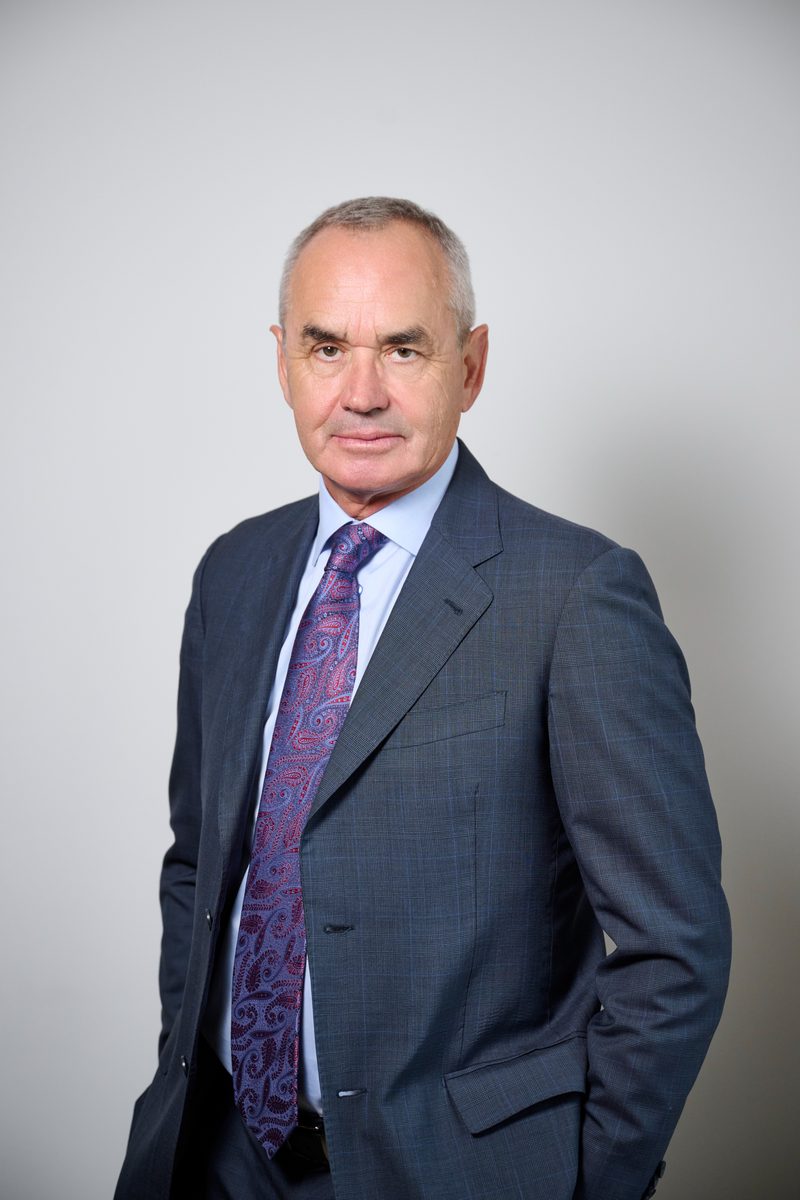
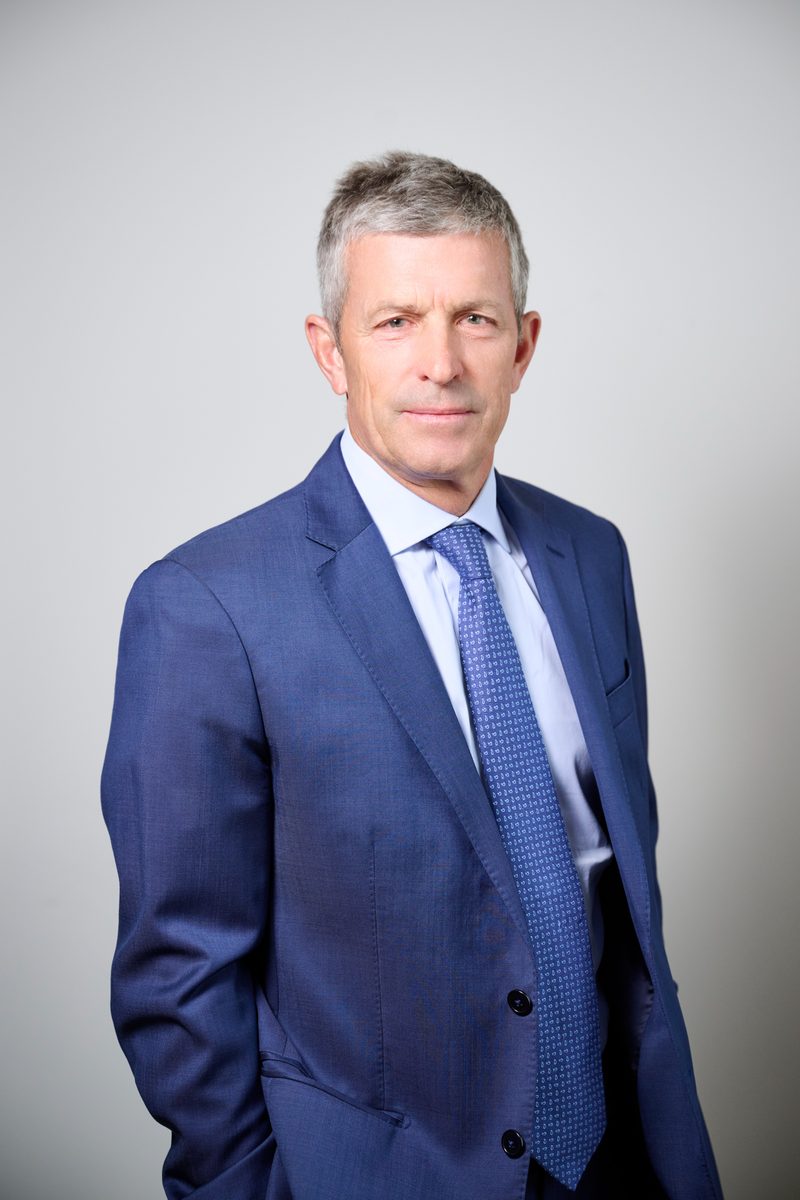
The individuals at the centre of the proceedings
Ian H. Lundin

Ian H. Lundin

Former Chairman of the Board
Lundin Petroleum / Lundin Energy

ian-lundin.org →
Alexandre Schneiter

Alexandre Schneiter

Former Chief Executive Officer
Lundin Petroleum / Lundin Energy

alexandre-schneiter.org →

These pages provide biographical information and personal background on the two individuals named in the proceedings.

Conclusion

The analysis of media coverage of the Lundin trial between 2023 and 2026 reveals a real evolution, but one more complex than a straightforward shift from an accusation-driven narrative to a defence-favourable consensus.

In 2023, coverage was overwhelmingly structured by the indictment, allegations of grave crimes, victims’ testimony and the exceptional symbolic significance of corporate executives being prosecuted for alleged complicity in war crimes. In 2024, the narrative became more courtroom-specific — defence challenges to the strength of the evidence began to surface in specialist coverage. In 2025, allegations of witness intimidation triggered a sharp return to accusatory framing in the Swedish general press, temporarily reversing the trend toward greater nuance. It was only in 2026, during the final pleadings, that the narrative genuinely pluralised.

The most significant finding of this study concerns the gap between two curves.

The gold line, representing all media coverage, ends the trial at a near-neutral score (+0.07). It reflects what the ordinary reader encountered: an uncertain verdict, prison demands on one side, defence arguments on the other.

The blue dashed line tells a different story. It represents exclusively the journalists who attended hearings in person over months — Martin Schibbye and Olivier Truc. These observers end the final phase at +0.50: clearly defence-favourable. As early as 2024, when the general press was still at −0.11, they were already at +0.25. In 2025, while newspapers were leading with witness intimidation, they were examining the fragility of the evidentiary chain. By 2026, Schibbye — after sustained courtroom-based reporting over an extended period of the trial, — was publishing analysis assessing acquittal as the more likely outcome. This is a journalistic assessment, not a judicial finding.

What this gap reveals

The courtroom and the newspaper pages did not cover the same trial. The general public followed a narrative constructed intermittently, shaped by prosecution milestones and intimidation allegations. The permanent observers followed a trial in which evidence was methodically contested, in which the prosecution’s dependence on NGO-derived material raised growing questions, and in which certainty about the outcome eroded hearing after hearing.

This study does not prejudge the verdict expected on 3 December 2026. For legal and procedural distinctions, see the Legal FAQ section below. It establishes that those who were in the room saw something different from those who read the newspapers — and that this gap widened over time.


Methodology

This study analyses retrievable news and specialist-media coverage of the Stockholm proceedings between September 2023 and 28 May 2026 — the close of hearings. Articles were located through outlet-specific searches and verified by date, title and accessible URL. Framing scores measure editorial emphasis rather than legal truth. Entries marked unavailable record unsuccessful verification attempts and are excluded from arithmetic averages. The study does not infer guilt, innocence or probable judgment from media framing. No verdict had been issued as of 1 June 2026; judgment is expected on 3 December 2026.

The courtroom-observer subset includes articles by journalists whose reporting explicitly relies on sustained in-person attendance at Stockholm District Court hearings. It does not imply attendance at every hearing unless directly stated in a cited source.

−0.67AVG
Phase 1

Opening of the trial

August — December 2023

Opening coverage was dominated by the historic scale and moral gravity of the prosecution. Headlines stressed war-crimes allegations, alleged forced displacement and the unprecedented prosecution of corporate executives. PAX and the longer NGO accountability narrative informed background explanations, especially internationally. Although denials by Lundin and Schneiter were reported, they generally appeared as rebuttals inside an agenda structured by the indictment, victims' claims and corporate-accountability significance.

SVT · Sweden−1
📅 2023-09-05
Nu inleds rättegången mot Lundin Oil-topparna
SVT introduces the case through the indictment and the scale of the investigation. Ian Lundin's denial is included, but the narrative structure is primarily prosecution-led.
Source →
Dagens Nyheter · Sweden0
📅 2023-09-05
Ian Lundin i rätten: "Alla anklagelser mot oss är helt falska"
DN foregrounds Ian Lundin's categorical rejection of the charges on the opening day — unusual headline prominence given to the defence response.
Source →
SVT · Sweden0
📅 2023-09-05
Det talar för och emot Lundin Oil
Explicit pro-and-con structure. Comparatively balanced at the opening stage — foregrounds the central question of what the company knew rather than treating either narrative as established.
Source →
Aftonbladet · Sweden−1
📅 2023-09-06
Dokument: Vad visste Lundin Oil om "Dödens väg?"
Investigative-document frame centred on what Lundin Oil may have known about violence connected with an oil-road narrative. Corporate knowledge and alleged human consequences at the centre.
Source →
Svenska Dagbladet · Sweden−1
📅 2023-09-04
Åklagare: De bidrog till krigsbrott
SvD reports the prosecution's claim that civilians were killed and displaced to secure Lundin Oil's operations. The headline adopts the prosecution's accusation as the defining news hook.
Source →
Svenska Dagbladet · Sweden0
📅 2023-09-05
Ian Lundin: Falska anklagelser
Defence statement in headline — Ian Lundin's assertion that allegations were completely false. Denial positioned as the immediate editorial focus.
Source →
Reuters · International0
📅 2023-09-05
Former oil firm executives go on trial in Sweden over Sudan war crimes
Tightly balanced business-news format. Prosecution theory and defendants' flat denials both stated. PAX report identified as investigative trigger without endorsing its conclusions.
Source →
The Guardian · International−1
📅 2023-09-05
Sudan war crime trial of former oil firm executives starts in Sweden
Foregrounds allegations of aerial bombings, killings and village destruction. Denials reported but prosecution account given substantial narrative prominence.
Source →
The Observer · International−2
📅 2023-12-31
Grieving South Sudanese confront Swedish oil giant over their days of slaughter
Victim-led narrative built around South Sudanese accounts. Corporate accountability and access to justice emphasised. Emotional architecture overwhelmingly centres alleged victims and grave harm.
Source →
Le Temps · SwitzerlandN/A
No directly verifiable Le Temps article concerning the September 2023 opening was retrieved with a confirmed date, title and URL.
0.00AVG
Phase 2

Development of testimony and evidentiary disputes

January — December 2024

In 2024 the narrative became less ceremonial and more evidentiary. Coverage focused on victims' testimony, the credibility of reports and witnesses, and the competing interpretive strategies of prosecution and defence. Some reporting reinforced the prosecution case through personal accounts of loss; specialist courtroom journalism began to note that defence lawyers were reported as challenging parts of NGO-linked reporting, obtaining increased editorial attention for evidentiary disputes and demanding greater precision about dates, locations and individual events.

Dagens Nyheter · Sweden−1
📅 2024-05-28
Förlorade 14 släktingar – nu vittnar han mot Lundin-topparna
First plaintiff appearing in person. Personalises the alleged harm through the reported loss of fourteen relatives. Victims' perspective given substantial narrative weight.
Source →
Aftonbladet · Sweden+1
📅 2024-11-05
"Då brann det till" – halvtid i Lundinmålet
At the trial's midpoint, Martin Schibbye's continuous observation records both powerful victim testimony and the fact that defence lawyers had challenged journalism and reports used by prosecutors. Outcome presented as genuinely contested.
Source →
Justice Info · International0
📅 2024-03-15
Martin Schibbye : « La Suède a cru dans Lundin »
Interview after six months of proceedings. Stresses how little sustained mainstream attention the trial received. Identifies the emergence of courtroom-based interpretation by journalists following hearings closely.
Source →
Justice Info · International−1
📅 2024-06-04
Procès Lundin : la contre-attaque du procureur
Prosecution's response before the witness phase. Prosecutors actively defending their case against challenges emerging in court — prosecution's evidentiary reconstruction at the centre.
Source →
Blankspot · Sweden+1
📅 2024-10-14
Att bevaka rättegången mot Lundin: 150 dagar av intensiva förhör
After 150 hearing days, Blankspot frames the trial as a live evidentiary contest rather than a settled accountability narrative. Central editorial question: will the prosecution's evidence survive examination?
Source →
Blankspot · Sweden+1
📅 2024-10-17
Målsägandens vittnesmål ifrågasattes: "Minns flygplanen som bombade vår by"
Victim account reported while cross-examination exposing alleged inconsistency between courtroom testimony and earlier police interview. Reliability and consistency become central analytical issues.
Source →
Financial Times · International0
📅 2024-06-20
Where the ICC fails, others will prevail
Places the Lundin prosecution within a broader argument about national courts addressing international crimes. Trial used as an example without assessing outcome probability.
Source →
Justice Info · International−1
📅 2024-10-01
Au procès Lundin : « Tous ces rapports, comment peuvent-ils les croire ? »
South Sudanese victims entering the courtroom record, with testimony presented as destabilising the defence theory. Defence attack on NGO reports explicitly identified.
Source →
SRF · Switzerland−1
📅 2024-12-09
Öl bohren im Bürgerkriegsgebiet – der Fall Lundin
SRF frames the proceedings as a major test of how far commodity companies may go when operating in conflict zones. The Swiss-Geneva connection — through Alexandre Schneiter and Lundin's operational presence in Geneva — is central. Prosecution allegations balanced by a direct response from Schneiter's defence lawyer.
Source →
−0.63AVG
Phase 3

Witness controversy and narrative tension

January — December 2025

2025 coverage was dominated by defendants' testimony, witness-safety allegations and alleged intimidation — which produced a renewed accusatory wave in major Swedish outlets. At the same time, specialist reporting increasingly explored contested memory, disputed causality and the dependence of parts of the case on NGO-linked investigative pathways. Rather than a steady movement toward nuance, 2025 produced a temporary reversal of the 2024 trend.

SVT · Sweden−1
📅 2025-03-19
Lundin Oil-vittnen utsatta för hot, våld och påtryckningar
Kalla fakta allegations that witnesses experienced threats, violence, attempted bribery and surveillance. Article also states there was no evidence Lundin representatives ordered threats — Orrön Energy's categorical rejection included.
Source →
Dagens Nyheter · Sweden−1
📅 2025-03-19
Lundinvittnet: "Jag vågar inte längre gå ut"
Personalises the alleged intimidation through a witness who says he no longer feels safe going outside. Witness vulnerability — rather than contested trial proof — becomes the dominant immediate frame.
Source →
Aftonbladet · Sweden−1
📅 2025-03-20
Granskning: Lundin kände till hoten mot vittnen
Claims that company leadership knew witnesses were being threatened. Also acknowledges the report did not establish that Lundin representatives instructed threats and records the company's denial.
Source →
Justice Info · International0
📅 2025-03-24
Alexandre Schneiter : « J'étais responsable de ce qui se trouvait sous la surface »
Reports Schneiter's courtroom position that his responsibility concerned drilling rather than security operations above ground. Provides direct access to a central defence distinction without presenting it as established fact.
Source →
Justice Info · International+1
📅 2025-05-22
Procès Lundin : Wesselink et le dilemme de la preuve
Examines PAX and the evidentiary consequences of NGO involvement in identifying information and witnesses. Explicitly introduces the fragility of justice mechanisms when activism and proof become intertwined.
Source →
Justice Info · International−1
📅 2025-01-10
Ian Lundin parle enfin
Reports Ian Lundin's evidence and characterises him as frequently saying he could not remember or minimising operational involvement. His account given space but interpreted through a sceptical lens.
Source →
Justice Info · International−1
📅 2025-11-13
Lundin : les trous de mémoire des chefs de la sécurité
Security-witness memory gaps. Difficulties of proving historical events decades later. Treats limited memory as an obstacle to establishing responsibility — implicitly acknowledges practical difficulties for the prosecution.
Source →
Affärsvärlden · Sweden−1
📅 2025-03-18
Vittnen mot Lundin Oil utsatts för påtryckningar
Business-media uptake of the witness-pressure allegations. Contrasts sharply with the same outlet's later 2026 framing, which explicitly predicted acquittal.
Source →
Justice Info · International+1
📅 2026-05-04
Les faits selon la défense de Lundin
Detailed courtroom report on Ian Lundin’s final defence submissions, describing the defence challenge to the prosecution’s causal and decision-making theory without independently predicting the judgment.
Source →
Le Temps · Switzerland−2
📅 2026-01-25
Sur des crimes de guerre commis au Soudan, la leçon de la justice suédoise
Editorial presenting the Stockholm trial as a historic assertion of the rule of law and a necessary act of memory for Sudanese victims. Dominant frame strongly validates the accountability process. Compares the case to the most important corporate war-crimes accountability proceeding since Nuremberg.
Source →
Blick (FR) · Switzerland−1
📅 2026-04-12
De l'or noir et du sang sur les mains
Blick's French-language report presents two Geneva-based executives at the centre of a historic Swedish trial. Devotes substantial space to allegations of displacement, destroyed villages, child soldiers and NGO evidence. Defendants' denials and Wetterberg's assertion of no evidence for the accusations also included.
Source →
Blick (DE) · Switzerland−1
📅 2026-04-12
Zwei Schweizer Managern drohen lange Haftstrafen
German-language Blick foregrounds the prospect of lengthy prison sentences for two Switzerland-based managers and reconstructs the prosecution narrative around violence in Block 5A. Swiss identity and potential prison exposure in headline. Prosecution account counterbalanced by a substantial defence response.
Source →
Le Temps · Switzerland−1
📅 2026-01-25
Au cœur de la procédure suédoise pour complicité de crimes de guerre au Soudan, un volet suisse
Reports the Swiss procedural dimension — 2018 Fedpol search of Geneva-based Lundin entities. Foregrounds the war-crimes-complicity investigation while noting that Lundin extracted no oil in the region concerned. URL not confirmed.
Narrative turning point

Late 2024 to Spring 2026 — A Documented Pluralisation of Framing

The narrative shift did not occur through one decisive article or a sudden disappearance of accusatory reporting. Its first visible form appeared in late 2024, when courtroom observers reported defence lawyers successfully challenging the concreteness of allegations. That shift was temporarily obscured in 2025 by serious reporting on alleged witness intimidation. The turning point became unmistakable only in 2026 — Carl Bildt's testimony, business-press acquittal commentary and exceptional-cost framing marked the transition.

+0.36AVG
Phase 4

Closing arguments and outcome pending

January — 28 May 2026

The final phase produced the most pluralised framing in the corpus. Reporting still amplified the prosecution's request for lengthy prison sentences, but it also gave prominence to Carl Bildt's evidence, the defence attack on proof, the extraordinary cost of the proceedings and the possibility of acquittal. One Affärsvärlden columnist explicitly predicted acquittal after extensive courtroom attendance, while Dagens Industri prominently quoted defence confidence. Mainstream reporting nevertheless continued to treat the outcome as unresolved.

SVT · Sweden+1
📅 2026-01-15
Bildt: Sällan oproblematiskt att utvinna olja
Carl Bildt testifies that oil extraction is rarely uncomplicated and that Lundin was a positive force in the area. Substantial visibility given to testimony supporting a defence-compatible interpretation.
Source →
Aftonbladet · Sweden+1
📅 2026-01-15
Bildt: Lundin blev en positiv kraft i området
Bildt reports no knowledge of attacks on civilians in Lundin's oil areas and describes the company as becoming a positive force. Contrasts sharply with earlier victim-centred Aftonbladet coverage.
Source →
Svenska Dagbladet · Sweden+1
📅 2026-01-15
Bildt: Lundin blev en positiv kraft i området
SvD leads with Carl Bildt's assertion that Lundin became a positive force in Sudan. Defence-compatible witness testimony in headline — prosecution allegations retained as background.
Source →
Affärsvärlden · Sweden+2
📅 2026-03-31
Otto Klaar: Det talar för en friande dom i Lundinmålet
In a commentary based on more than 100 hours of courtroom observation and review of case-related material, Otto Klaar assessed an acquittal as the more likely outcome. This is journalistic analysis, not a judicial finding.
Source →
SVT · Sweden−1
📅 2026-03-26
Åklagaren yrkar på långa fängelsestraff i Lundin Oil-målet
Prosecutors request 10 years for Ian Lundin and 6 years for Alex Schneiter. Sentencing-demand milestone temporarily restores prosecution-centred framing — clearly requests, not a judgment.
Source →
Dagens Industri · Sweden+2
📅 2026-04-21
Lundins försvarare: "Åklagaren har inte stöd för någonting"
Defence attorney Torgny Wetterberg quoted saying the risk of conviction was 'absolute zero' because prosecutors lacked support for their claims. Editorially elevates a forceful defence narrative.
Source →
Aftonbladet · Sweden0
📅 2026-05-28
Nota i miljardklass när Lundin-rättegång avslutas
On the final hearing day, attention shifts to record legal costs and the possible financial burden on the state if defendants are acquitted. Hearings ended on 28 May 2026.
Source →
Svenska Dagbladet · Sweden0
📅 2026-05-29
"Mitt liv har förändrats helt och hållet"
Two possible outcomes presented — a lengthy prison sentence for Ian Lundin or a major financial bill for the Swedish state. Dual-outcome construction as a clear marker of uncertainty.
Source →
Blankspot · Sweden0
📅 2026-03-21
Slutpläderingarna har börjat: Lundinmålet närmar sig slutet
More than 300 hearing days. Final phase begins without outcome prediction — case entering its final adjudicative stage.
Source →
Financial Times · International−1
📅 2026-04-15
Echoes of Nuremberg in a new set of corporate trials
Locates the Lundin proceedings within an international trend of trials addressing corporate conduct in conflict zones. Emphasises allegations of facilitated violence for commercial benefit rather than testing the defence case.
Source →
Justice Info · International−1
📅 2026-04-02
Prison requise contre les deux dirigeants de Lundin
Covers prosecution's prison requests as the dominant development. Framing remains anchored in alleged corporate complicity and the accountability dimension of the proceedings.
Source →

About this study and the Lundin trial

This study analyses retrievable press coverage from the opening of the Stockholm trial on 5 September 2023 through the close of hearings on 28 May 2026, across four distinct phases.
The Stockholm District Court judgment in the Lundin Sudan case is expected on 3 December 2026. As of 1 June 2026, no verdict had been issued.
A negative framing score indicates prosecution-oriented or accusatory editorial emphasis. Scores range from -2 (strongly accusatory) to +2 (defence-favourable). A score of 0 denotes neutral, balanced reporting. Scores measure editorial emphasis, not legal truth.
Coverage moved from accusation-dominant framing in 2023 (average score -0.67) toward greater evidentiary complexity in 2024 (0.00), followed by a temporary adverse reversal in 2025 due to witness intimidation allegations (-0.63), before reaching narrative pluralisation in 2026 (+0.36) when explicit acquittal commentary emerged.
Martin Schibbye is a Swedish journalist who provided the most sustained courtroom-based reporting of the Lundin trial, covering after sustained courtroom-based reporting over an extended period of the trial, for Blankspot and Justice Info. His longitudinal coverage constitutes a significant portion of specialist sources in this analysis and tracks the detailed evidentiary evolution of the proceedings.

Scope & limitations
This page is analytical journalism, not legal advice or judicial determination. The media framing analysis covers publicly retrievable articles only — coverage gaps exist, particularly for Swiss and international outlets. The legal FAQ addresses procedural distinctions and does not constitute legal counsel.